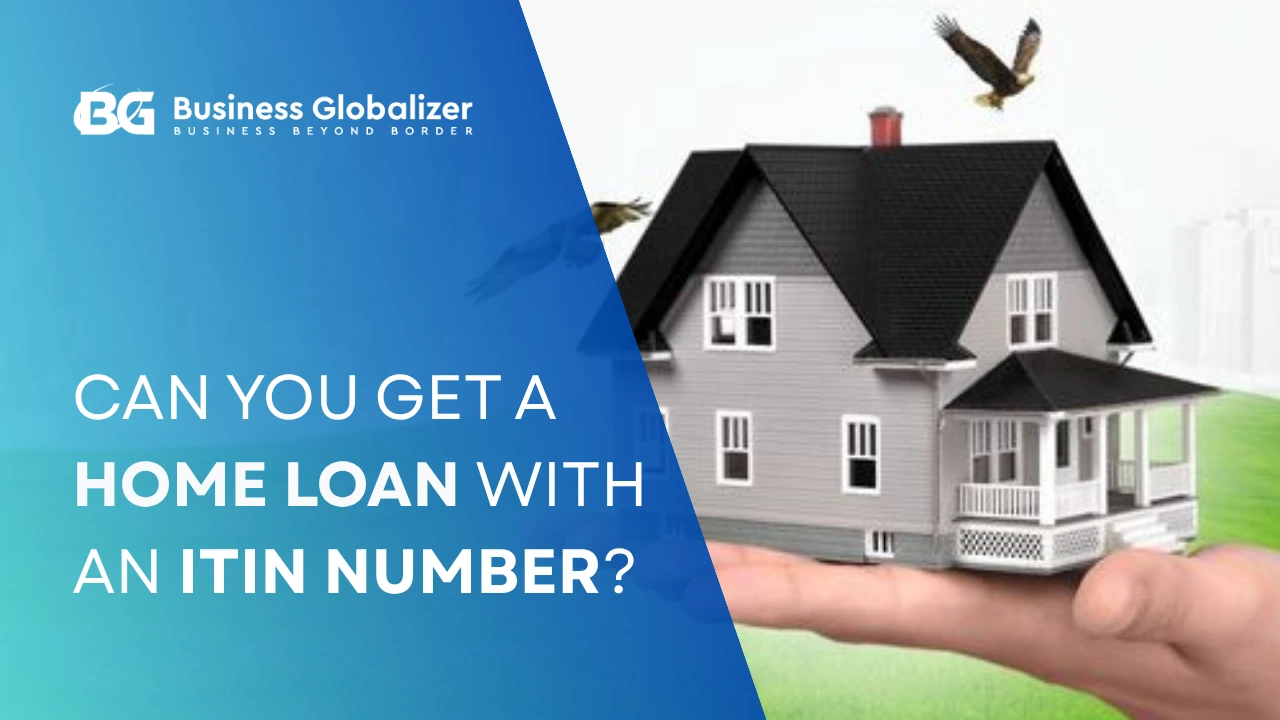
If you’re a U.S. non-resident or immigrant, buying a home can feel like a distant untouchable dream. Especially when you don’t have an SSN (Social Security Number). But here’s the thing: you actually can get a home loan with an ITIN. Surprising? Maybe. Possible? Absolutely.
ITIN home loans exist for people who use an Individual Taxpayer Identification Number instead of an SSN. So, if you’ve been working, paying taxes, or even investing in U.S. property but couldn’t access traditional mortgages, this ITIN loan thing might finally be your door in.
Now, think of it as a bridge built for people like you. The people who contribute, earn, and dream of owning a home in the U.S. Let’s break down how these loans work, what you’ll need, and how to make the process as smooth as possible.
Key Insights
- Getting a home loan without a Social Security Number can feel out of reach at first, but an ITIN mortgage gives many immigrants and non-residents a real path into homeownership.
- These loans are built for people who use an ITIN instead of an SSN, so lenders focus more on your income, tax history, and payment habits than on your immigration paperwork alone.
- The overall process looks a lot like a regular mortgage, but it usually starts with finding a lender that actually understands ITIN borrowers and how their financial profile works.
- Most applicants need a valid ITIN, proof of stable income, and at least two years of tax returns to show they’ve been handling their finances responsibly.
- A down payment is usually part of the deal too, and for ITIN loans it often lands somewhere between 10% and 20%, depending on the lender and the strength of your file.
- If you do not have a U.S. credit score yet, many lenders may still work with you by looking at rent history, utility payments, and other signs that you pay on time.
- Interest rates on ITIN home loans are often a bit higher than traditional mortgage rates, so it’s worth comparing offers carefully and making sure the monthly payment still feels comfortable.
- A lot of loan applications get slowed down by simple issues like an expired ITIN, missing tax filings, or incomplete paperwork, so clean documents matter more than people think.
- One of the biggest upsides is that an ITIN mortgage can help you build a stronger financial record in the U.S. while giving you the chance to own a place of your own.
- At the end of the day, the message is pretty simple: if you’ve been earning honestly, filing taxes, and keeping your money in order, not having an SSN does not automatically lock you out of buying a home.
What Is an ITIN Home Loan?
An ITIN home loan is simply a mortgage made for people who live or work in the U.S. without a Social Security Number. It helps non-residents and immigrants buy a home using their Individual Taxpayer Identification Number (ITIN) instead.
Banks that offer ITIN loans don’t just see a credit score, they see you. Your income, how and in whatever way you handle your payments, and your financial steadiness—all these speak louder than any number on a report. Because they focus on what really matters: your income stability, payment patterns, bank history, and tax filings to understand how financially grounded you are.
In simple terms, an ITIN loan opens the door for foreign nationals, self-employed workers, and non-resident taxpayers to own a home in the U.S. No green card or citizenship required, just real financial credibility.
How to Get a Home Loan with ITIN Number
Applying for a home loan with an ITIN number is kind of like applying for a traditional mortgage, of course, with a few differences here and there. Here’s a step-by-step breakdown:
Check Eligibility
Before you apply, make sure you have:
- A valid ITIN (issued by the IRS).
- Proof of stable income (e.g., pay stubs, tax returns, bank statements).
- You’re filing taxes annually using your ITIN number.
Lenders will also look at your overall financial health, so be ready to show your income and work history.
Select a Lender
Not every bank understands ITIN home loans, and that’s okay. You just need one that does. Look for lenders who specialize in working with ITIN holders. Many credit unions and local community banks are already helping immigrants and non-resident borrowers buy homes through ITIN-based mortgage programs.
Down Payment Requirements
For ITIN mortgage loans, you’ll typically need to put down around 10%–20% of the home’s price. That’s just the normal thing. Really. The exact number depends on your overall financial story: things like how strong your credit is, what the lender’s policy says, and how confident they are in your repayment record.
Prepare Documentation
Gather the following documents:
- Your ITIN number (obviously).
- Federal tax returns for the past two years.
- Proof of income (e.g., recent pay stubs or bank statements).
- Credit history (if available). If you don’t have a U.S. credit score, lenders will often look at alternative credit data like utility payments or rental history.
Some lenders may also ask for employment verification and proof of assets.
Complete the Application
Once your paperwork’s ready, go ahead and complete the mortgage application. Don’t miss any detail, however tiny that is. List every dollar in and out. Carefully. Slow down, take your time, check each line, every entry, then check it again. The more complete and accurate your application is, the faster lenders can move it along.
Let’s be honest, getting a home loan with an ITIN isn’t impossible. It just needs strong prep work and a bit of patience. If your paperwork is bulletproof and your requirements check out, you’re already halfway to holding those new house keys.
What Are the Requirements for ITIN Loans?
Every lender has their own checklist, but most ITIN home loans ask for the same core things. Here’s what you’ll generally need to qualify:
- Valid ITIN: Your Individual Taxpayer Identification Number must be active and officially issued by the IRS, not a Social Security Number.
- Proof of Income: Lenders want to see that you can comfortably handle monthly payments, so they’ll ask for pay stubs, bank statements, or business income records.
- Filed Tax Returns: Typically, you’ll need at least two years of tax returns filed under your ITIN to show financial consistency.
- Down Payment: Be ready for a down payment between 10% and 20%, depending on your credit profile and the lender’s policy.
- Credit Report or Payment History: If you don’t have a U.S. credit score, lenders may accept alternative credit proof; such as on-time rent, phone, or utility payments.
In short, qualifying for an ITIN loan is about showing financial consistency, not just credit history. Even without an SSN, you can still demonstrate stability and reliability through your documents and payment records.
Interest Rates, Down Payments, and Other Key Factors
When comparing an ITIN loan to a traditional mortgage, the structure is quite similar. But the conditions are usually a bit tighter. Here’s what to expect when applying for a home loan with ITIN:
- Interest Rates: Most ITIN mortgage programs come with slightly higher rates, usually 1–2% above standard mortgages, since lenders take on more risk when lending to non-SSN applicants.
- Down Payment: Expect to put down 10%–20% of the home’s value. Some lenders may ask for a higher down payment if you’re a non-resident or have limited credit history.
- Loan Term: ITIN home loans follow similar timelines to regular mortgages: 15-, 20-, or 30-year fixed or adjustable-rate options.
- Loan Amount: Depending on your income, documentation, and lender policy, approved loan amounts can go as high as $1 million for qualified borrowers.
These programs are built to help responsible taxpayers with an ITIN number access homeownership, even without a Social Security Number (SSN), while keeping the terms flexible and fair.
Precautions and Common Mistakes to Avoid
When applying for ITIN home loans, small details can make or break your approval. A few mistakes could really delay your file for weeks or even get it rejected. Let’s learn about what to double-check before you apply:
- Keep and Ensure Your ITIN is Active: An expired ITIN can freeze your loan at once. Make sure your number is valid and up-to-date. If it’s expired, renew it first! Lenders won’t process your file until you do.
- Verify Tax Filing Status: Lenders will look closely at your most recent tax returns. Missing or outdated filings raise red flags and can slow things down fast.
- Consider Alternative Credit History: No U.S. credit score? Don’t worry! Lenders might accept other forms of credit history, like your rent payments or utility bills. If you’ve been good with payments, show that off. It can help prove your reliability.
- Shop Around for the Right Lender: Not every lender does ITIN home loans. Seek out ones who specialize in non-resident mortgages or who work with the immigrant community. These lenders will understand your specific situation and have experience working with borrowers like you.
- Understand the Higher Interest Rates: ITIN loans usually come with slightly higher interest rates. Don’t let that scare you. Just run the numbers and make sure your monthly payments stay within your comfort range.
By avoiding these small but common slip-ups, and staying organized throughout your application, you’ll improve your chances of securing that ITIN home loan.
ITIN Home Loan Benefits
Getting a home loan with ITIN opens real doors for non-U.S. residents who’ve been building a life and financial footprint in America. Here, look at the reasons why it’s worth considering:
- Build U.S. Credit History: Think of it like a regular mortgage; every on-time payment on your ITIN loan quietly builds your credit footprint in the U.S. Over time, that record can open doors to bigger things: easier loan approvals, better car financing, even the credit your future business might need.
- No SSN Needed: The best part of ITIN home loans is that you don’t need a Social Security Number. Your ITIN number works as your taxpayer ID, allowing you to qualify for a mortgage and buy property legally.
- Flexible Loan Options: Whether you prefer the stability of a fixed-rate mortgage or the flexibility of an adjustable-rate loan, most lenders offering ITIN mortgages provide both options based on your income and comfort level.
It’s not just about owning property; it’s about gaining financial inclusion, even without an SSN.
Closing Thoughts
Getting a home loan with an ITIN number might seem a bit intimidating at first, but it’s completely within reach once you understand how the process works. Many non-resident investors, foreign nationals, and immigrants have done it—and you can too, as long as you meet the requirements and know what lenders look for.
With the correct paperwork, a solid financial history, and an ITIN home loan, homeownership can become a reality, no SSN required. Now, If you’re ready to take the next step, Business Globalizer is here to guide you through the process.
FAQs on Home Loan with an ITIN Number
Can I buy a house in the USA with an ITIN number?
Answer: Well, yes, you can. Many non-U.S. residents and immigrants buy homes through ITIN loans. You’ll just need to show proof of income, tax returns, and have enough for a down payment.
How to get a home loan with an ITIN number?
Answer: Pretty much the same way you’d apply for any mortgage. First of all, go find a lender that offers ITIN loans, check their eligibility list, gather your required documents (tax returns, income proof, ID), and apply. Simple, just with a few extra checks.
What are the requirements for ITIN home loans?
Answer: You’ll need a valid ITIN, proof of income, and two years of tax returns. A solid financial track record and some alternative credit history (like utility or rent payments) can really help too.
Can I buy a house without an SSN?
Answer: Absolutely. That’s the whole point of ITIN loans, they’re built for people without a Social Security Number who still want to own a home in the U.S.
Can ITIN home loans be used for property investment?
Answer: Yes. Many non-residents use ITIN mortgages to buy rental or residential properties. Just know that lenders might ask for a bit more paperwork, especially for investment use.
Are ITIN mortgage rates higher than regular rates?
Answer: Usually, yes. Expect around 1–2% higher than standard mortgage rates. That’s because ITIN loans are seen as slightly higher risk.
Can I apply for an ITIN mortgage if I’m self-employed?
Answer: Of course. If you run your own business, you can still qualify — just be ready to show your tax returns, business income records, and a clear financial history.