Key Insights
- Companies House is no longer just storing filings; it is actively checking accuracy and trustworthiness.
- Directors and PSCs must take identity verification seriously throughout the 2025-2026 rollout.
- Overseas founders can verify from abroad, but the agent route must be through a properly authorised ACSP.
- New Companies House fees from February 2026 make old compliance budgets outdated.
- The joint Companies House and HMRC filing service closes on 31 March 2026, so accounts and CT600 planning need attention.
- From 1 April 2026, Company Tax Returns must be filed with HMRC using software.
- Public P&L filing for small and micro companies is paused, not permanently cancelled.
- Registered email is now a real compliance channel, not a throwaway admin detail.
- Foreign-owned UK companies still carry full UK filing duties if they run a UK Ltd.
- The safest move for founders is simple: verify early, file on time, and keep company records clean.
Companies House used to feel like the “file it once a year and forget it” part of running a UK company. Not anymore. The 2026 round of Companies House Updates is less about light admin and more about proof, accuracy, and cleaner company records. Directors, PSCs, foreign founders, agents, small companies; almost everyone has something to check.
Some changes are already active, some are being phased in, and a few big ones have been paused for now. So let’s go through what actually matters, without turning it into a legal bedtime story.
Companies House Updates 2026: What’s Actually Changing?
The big picture is this: Companies House is no longer acting like a passive filing cabinet. The UK government is trying to make the company register more reliable, reduce fake filings, and improve register accuracy. Under the Economic Crime and Corporate Transparency Act 2023, it now has stronger powers to question, reject, remove, and share company information where something looks wrong or suspicious.
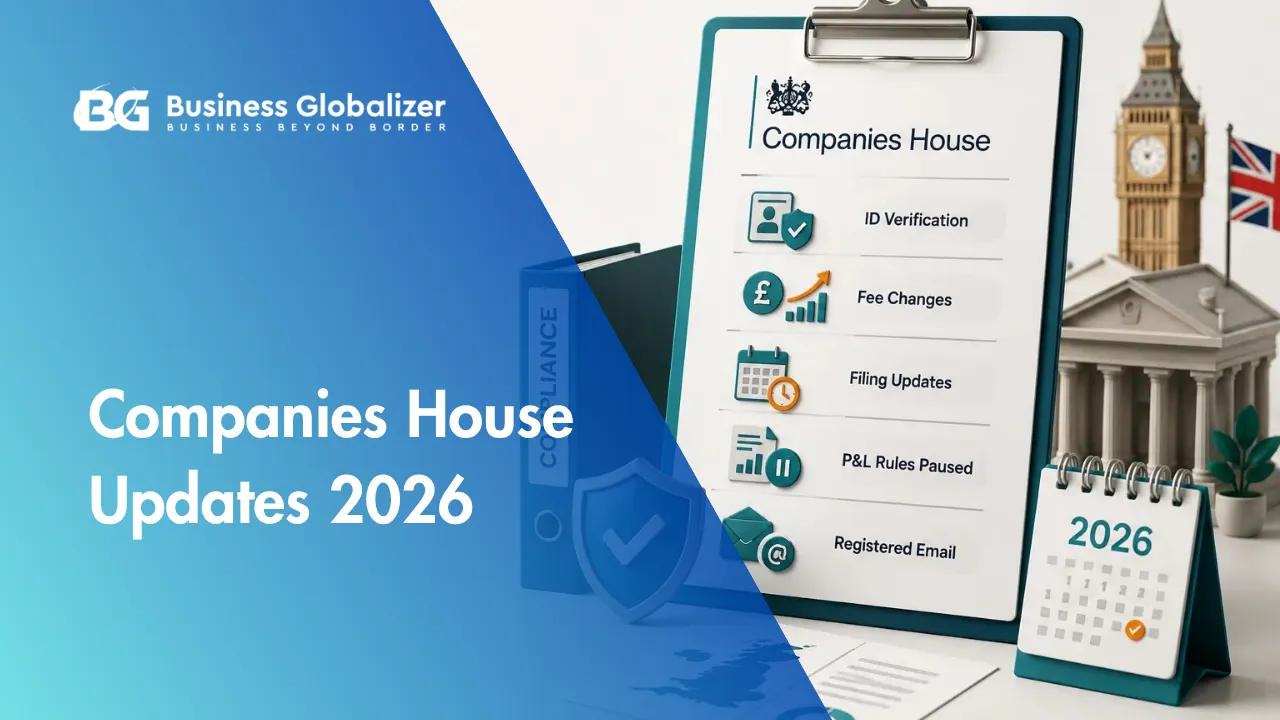
For UK company owners, the practical Companies House updates mainly fall into these areas:
- Identity verification
- Higher Companies House fees
- Confirmation statement updates
- Registered email and lawful purpose rules
- Accounts filing changes
- More scrutiny on inaccurate company data
- Overseas company filing obligations
Companies House Changes: Identity Verification Is Now the Big One
From 18 November 2025, directors and people with significant control, usually called PSCs, must verify their identity. Companies House is phasing this in over 12 months, and it expects around 6 to 7 million people to complete verification by mid-November 2026.
In plain English, this affects:
- Company directors
- PSCs
- People setting up new companies
- People filing on behalf of companies in certain cases
- Many overseas owners of UK companies, too
You can verify through GOV.UK One Login, or through an Authorised Corporate Service Provider (ACSP), such as an accountant, solicitor, or registered authorised agent. Companies House guidance also confirms that ACSP verification can be done from any country, as long as the agent is properly registered.
For foreign founders, this is a big deal. You do not need to be physically in the UK, but you do need the right identity documents and a clean verification route.
One more thing: after verification, Companies House gives you a personal code. Treat it like a private tax or banking code. You may need it for director appointments, confirmation statements, or PSC records, but only share it with someone you fully trust.
Companies House News: Fees Increased from February 2026
This one is simple but painful enough to notice.
From 1 February 2026, several Companies House fees changed. The official update says digital incorporation moved to £100, digital confirmation statement filing moved to £50, and digital voluntary strike-off moved to £13.
So if you are forming or maintaining a UK company in 2026, your compliance budget should not be based on old fee numbers.
Quick founder takeaway:
- Starting a company costs more than before
- Annual confirmation statement filing costs more
- Closing a company voluntarily is now cheaper digitally
- Paper filings remain more expensive than digital options
Not dramatic. Just something you should budget for.
Annual Accounts and Tax Return Filing: The Joint Service Is Closing
This is one of the more practical Companies House updates for small companies.
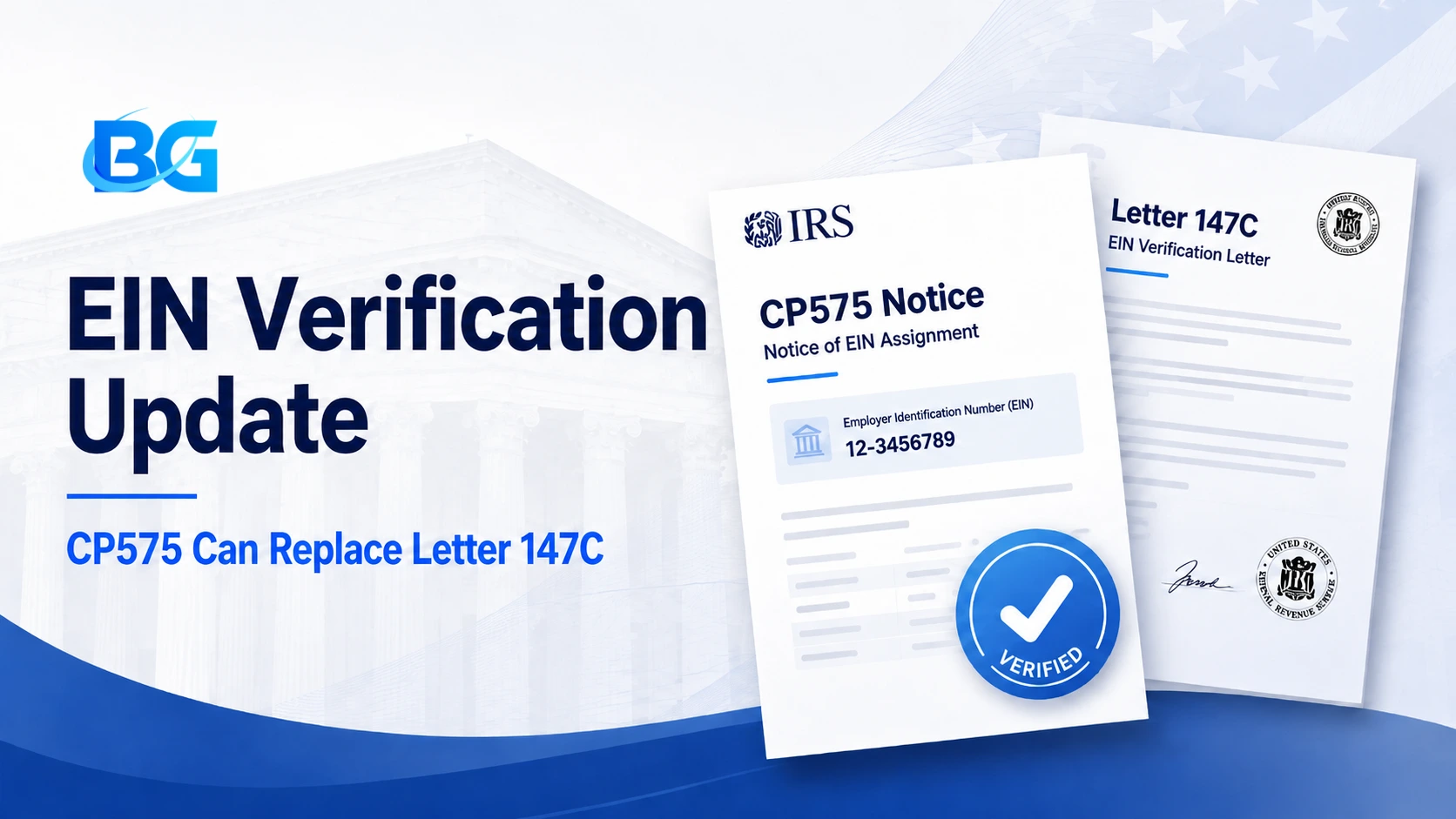
The old joint online service that allowed companies to file accounts with Companies House and a Company Tax Return with HMRC together closes on 31 March 2026. From 1 April 2026, Companies House says companies can still file annual accounts using third-party software, Companies House web services, or paper filing, but Company Tax Returns must be filed with HMRC using software.
So no, this does not mean your company stops filing accounts. It means the “one place for both” method is ending.
What this means for owners:
- Companies House accounts and HMRC tax returns become more clearly separated
- You may need accounting software or a tax professional for CT600 filing
- Leaving accounts until the last week becomes riskier
- Directors should check that their accountant or filing provider is ready
The filing still happens; it just needs to happen in the right place now.
Profit and Loss Filing for Small Companies: Paused, Not Forgotten
Now, this is where many founders got nervous.
There were plans for small companies and micro-entities to file profit and loss accounts with Companies House, which would make more financial information public. But Companies House has confirmed that these P&L filing reforms have been paused, with no new date announced. For now, small companies and micro-entities can still keep profit and loss information off the public register under the current rules.
Important distinction:
- The proposed P&L filing expansion is paused
- It has not disappeared forever
- No immediate action is needed on that specific proposal right now
- Founders should still keep proper internal accounts
So if someone tells you, “All small companies must publicly file full P&L from 2026,” slow down. That is not the current position based on the latest updates.
Registered Email Address and Lawful Purpose Statement Still Matter
Some of the 2026 discussions can make people forget the earlier reforms that are already live.
Since March 2024, companies must provide a registered email address and confirm lawful purpose on incorporation and on confirmation statements. Companies House also has stronger powers to query information, check company names, and improve register accuracy.
This matters because your registered email is now part of your compliance setup. It should be an inbox someone actually checks.
Not:
- An abandoned Gmail
- An old agent email you no longer control
- A random founder email no one monitors
Companies House may use this email to send important official updates and communication. Missing it can create real problems.
Foreign-Owned UK Companies: What Overseas Founders Should Watch
If you own a UK company from outside the UK, the Companies House changes still apply to you.
A foreign founder running a UK Ltd must still think about:
- Director and PSC identity verification
- Registered email address
- Proper UK-registered office
- Confirmation statement updates
- Annual accounts
- Company tax return filing with HMRC
- Using a reliable authorised agent where needed
For overseas companies, there is also a separate rule: an overseas company does not automatically need to register with Companies House just because it does business with the UK. It generally needs to register when it has a physical UK presence, such as a branch or place of business, and registration documents must be filed within one month of opening that UK establishment.
So the rule is not “foreign company = register immediately.” The real test is the level of UK presence.
Business Globalizer: Helping Founders Stay Companies House-Ready
If these updates feel like a lot, that’s because they are.
At Business Globalizer, we help international founders handle UK company formation, annual filings, company restoration, dissolution, compliance checks, and Companies House record updates properly. Whether you are setting up a new UK Ltd, maintaining an existing one, or trying to understand how the latest Companies House updates affect your structure, our team helps you keep the paperwork clean and the company in good standing.
If identity verification, fee changes, and the joint filing closure are all landing at once, having someone who knows the process makes the whole thing a lot less stressful.
Companies House Updates: What You Should Do Now
Before we call it a day, here is the practical checklist:
- Check whether all directors and PSCs need identity verification
- Make sure your registered email address is active
- Budget for the new Companies House fees
- Speak to your accountant about CT600 software filing
- Do not panic about the P&L public filing; it is paused for now
- Keep internal accounts clean anyway
- If you are an overseas founder, confirm your UK company details are current
- Use an authorised professional if your case is not simple
The new Companies House system is not impossible. It just rewards founders who stay organised.
FAQ’s of Companies House Updates 2026
What are the main Companies House updates in 2026?
Answer: The main updates include identity verification rollout, higher Companies House fees, the closure of the joint Companies House/HMRC filing service, continued registered email and lawful purpose requirements, and paused P&L filing reforms for small companies.
What Companies House changes affect directors most?
Answer: The biggest one is identity verification. Directors and PSCs must verify their identity under the new rules, with the rollout starting from 18 November 2025 and continuing through 2026.
Is the profit and loss filing rule active in 2026?
Answer: No, not currently. The planned requirement for small and micro companies to file profit and loss accounts publicly has been paused, with no new date confirmed.
What changed with Companies House fees in 2026?
Answer: From 1 February 2026, key fees increased. Digital incorporation now costs £100, the digital confirmation statement filing fee is £50, and the digital voluntary strike-off fee has increased to £13.
What does Companies House reform mean for foreign founders?
Answer: It means overseas owners of UK companies must pay closer attention to identity verification, registered email, confirmation statements, annual accounts, and company records. Being outside the UK does not remove UK company compliance duties.
What is the latest Companies House news about filing accounts?
Answer: The joint Companies House and HMRC filing service is closing. Starting from 1 April 2026, companies will need to submit Companies House accounts and HMRC Company Tax Returns through separate correct channels, and CT600 returns must be filed using compatible software.
Do I need an ACSP for Companies House identity verification?
Answer: Not always. Many people can verify through GOV.UK One Login. But if you are overseas or prefer professional help, an ACSP can verify your identity on your behalf if they are properly registered.
Closing It Out
Companies House used to be the quiet admin corner of UK business. In 2026, it is becoming sharper, stricter, and more serious about who owns, runs, and files for UK companies.
That does not mean founders should panic. It means they should stop treating compliance like “later work.”
The smartest move is simple: check your records, verify the right people, keep your filings clean, and stay ahead of the next wave of Companies House Updates. Because in the new Companies House era, tidy paperwork is not just admin; it is business protection.